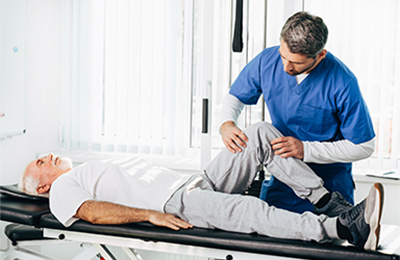

Getting older brings change. Muscles get weaker. Joints move less. Balance becomes harder to control. Tasks that once felt simple start to feel slow or unsafe. This is common. But it does not mean a person has to stop moving. Mobility can come back with the right kind of support. That is where physiotherapy helps.
Physiotherapy for the elderly is not just about exercise. It is about function. It helps people sit, stand, walk, and turn with more control. In the UAE, more families are choosing home-based support and elderly care services for their parents and grandparents. With the right care plan, older adults stay active and avoid unnecessary medical care.
What Physiotherapy Actually Focuses On
Most people think physiotherapy begins after an injury. That is one part of it. But physiotherapy for seniors often starts earlier. It supports daily movement, builds strength, and reduces the risk of falling.- Safe Movement Indoors Moving from bed to chair or walking around the house becomes safer with practice. Therapists guide the body into better habits.
- Strength for Everyday Tasks Standing, reaching or bending down takes more energy with age. Simple strength exercises improve this slowly and steadily.
- Joint Support and Pain Relief Stiff joints stop people from moving. Gentle movement, massage, and heat can ease pain without relying only on medicine.
- Posture and Balance Better posture makes walking more stable. Better balance means fewer falls. Both can be trained at home or in the clinic.
Why Mobility Affects Confidence
When people stop moving, their world gets smaller. They rely more on others. This often affects mood and sleep. One fall can lead to weeks in bed, which causes further weakness. That is why physiotherapy for mobility in the elderly starts before the problem becomes serious. Movement brings confidence. Being able to dress alone, walk to the kitchen or go outside without fear helps people feel more in control. Physiotherapy supports this process without pushing too hard or moving too fast. In the UAE, many households have multiple generations under one roof. With some guidance, family members can support mobility at home. Physiotherapists often show caregivers how to assist safely without lifting or straining. This helps the patient and the family.The Right Time to Start
Physiotherapy can begin at any stage. Some start after a hospital stay. Others begin when daily movement starts to feel difficult. There is no need to wait for pain or injury. Elderly rehabilitation physiotherapy works well after illness, surgery or periods of bed rest. It is also useful for long-term conditions like arthritis, stroke or Parkinson’s. Small changes in walking speed or balance are enough reason to act.How the Sessions Work
Each person starts with an assessment. The physiotherapist checks posture, strength and movement. They also ask about daily tasks like bathing, dressing, or going outdoors. Based on this, a simple plan is made.- Slow and Steady Steps Each movement is built into the session with care. The goal is not to rush but to build control one step at a time.
- Tasks with Real Impact The plan often includes sitting down safely, turning while standing, walking short distances or using stairs. These match real needs.
- Adjustments When Needed As the patient gains strength, the plan changes. Movements become more complex. Equipment may be added. Progress is tracked.