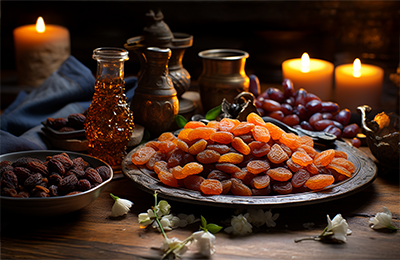
Ramadan serves as an opportunity for people to attain spiritual growth and express gratitude through their period of self-examination. Seniors must maintain their health throughout Ramadan by dining during their fasting periods. Seniors who want to experience fasting benefits must take specific actions. Our professionals at Snappy Care UAE assist elderly people with Ramadan health tips for seniors through their trained expertise. Why Older Adults Need Extra Care During Ramadan Aging causes people to experience slower nutrient absorption while their body requires increased water consumption. Seniors with diabetes, high blood pressure, and heart disease require regular meal times for their dietary needs. Seniors who fast need to adhere to specific safety protocols. Use the following Ramadan fasting tips for the elderly, which guarantee their safety during Ramadan:
Get clearance before fasting
Seniors should see a doctor before fasting. Our licensed nurses at Snappy Care UAE can:
- Check blood pressure
- Monitor blood glucose
- Review medication schedules
- Assess hydration levels
- Develop customized health plans
- Communicate with doctors when necessary
- Assist patients during their recovery process
The assessments help determine whether fasting remains safe to practice for both medical and religious obligations. Ramadan fasting tips for elderly people help maintain their health status during the fasting period.
Stay well-hydrated between Iftar and Suhoor
Dehydration poses a serious threat to older adults. We recommend:
- Drinking 8 to 10 glasses of water after sunset and before dawn
- Limiting caffeine intake
- Eating foods like cucumbers, soups, and watermelon
Our caregivers observe fluid consumption while searching for common senior symptoms, which include dizziness and confusion. These problems frequently occur with older adults. Therefore, they will experience positive outcomes from following these Ramadan health tips for seniors.
Choose nutrient-dense meals
The right food selection provides the necessary energy for all daytime activities while sustaining physical balance. At Suhoor, choose grains, eggs, yogurt, nuts, seeds, and fresh fruit. Starting at Iftar, the meal begins with dates followed by light soup, steamed vegetables, and grilled chicken or fish. Avoid meals with fried foods, sugary desserts, and salty dishes. We assist in meal preparation, blood sugar tracking, and digestive support.
Monitor chronic health conditions closely
Never stop taking medications without medical guidance. The nurses at Snappy Care UAE provide medical assistance through the following services:
- Check glucose levels before and after Iftar
- Track blood pressure changes
- Help adjust medication dosages as needed
Seniors experiencing chest pain, extreme thirst, or persistent fatigue should stop their fast immediately and seek urgent medical care.
Prioritize rest and recovery
Early Suhoor meals and late-night prayers create disturbances in sleep patterns. As per the Ramadan diet tips for the elderly, they should stay home quietly while taking naps and not engage in any physical activities. Our caregivers provide wheelchair support and fall prevention services.
Recognize warning signs early
You fast to maintain your energy levels throughout Ramadan. Watch for these signs of trouble:
- Dizziness
- Increased confusion
- Severe headaches
- Low blood sugar symptoms
- Chest discomfort
Get emergency medical assistance for such situations and ensure you follow the Ramadan diet tips for the elderly with caution.
Provide emotional and spiritual support
Ramadan observance requires maintaining peace and staying connected with the community. Our services provide seniors with companionship, prayer support, and emotional support.
When Should Seniors Refrain from Fasting?
Islamic law permits seniors to avoid fasting if they have the following conditions:
- Diabetic complications
- Serious heart conditions
- Kidney disease
- Severe weakness or frequent falls
- If they have undergone a surgery recently
Seniors who need to protect their health can postpone fasting while they follow the Ramadan dietary tips for the elderly.
How Snappy Care Supports Seniors During Ramadan? Our home care services offer:
- Registered nurses and professional caregivers
- Medication management
- Vital-sign monitoring
- Postoperative care
- Comfort and symptom relief
- Personalized care plans
- 24/7 assistance at home
You can opt for our services to help your aging family member follow safe fasting tips for seniors during Ramadan and keep them healthy and active throughout the period.
Final Reflections
Ramadan brings people together through compassion, self-reflection, and communal bonding. Your parents and grandparents will remain active in all activities if you follow these safe fasting tips for seniors during Ramadan to protect their well-being. Professional support becomes vital for families who care for seniors during the Ramadan period. At Snappy Care , we provide care to all elders so they can fast securely and experience enriching moments.